
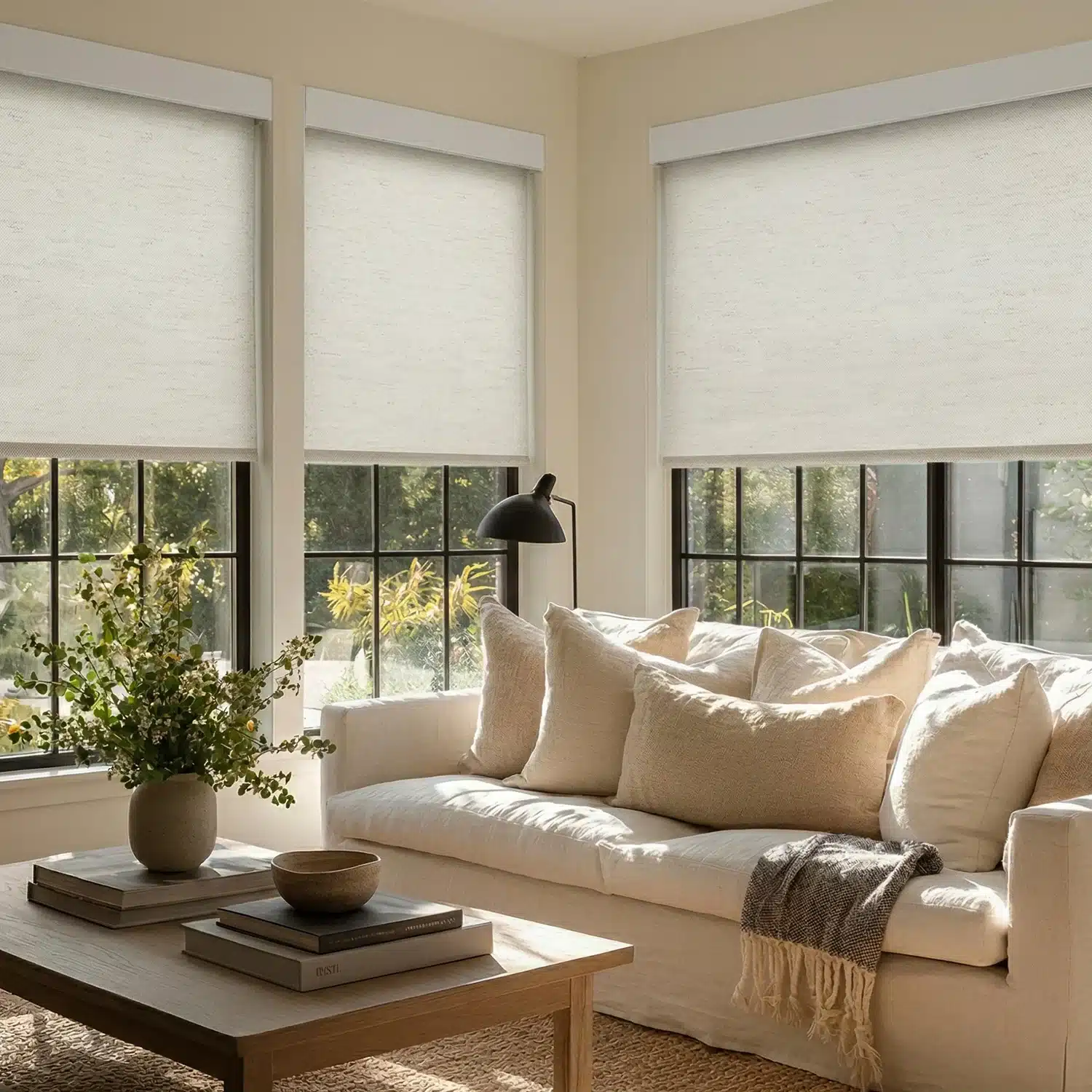
The Biggest Misconception About Window Treatments in the Okanagan
Most Okanagan homeowners assume that cellular shades are primarily a decorating choice—something you pick based on colour or pattern to match your furniture. That assumption costs you money every single month. In a region where temperatures swing from -15°C in January to over 40°C by July, your windows are the weakest link in your home’s thermal envelope, and cellular shades are engineered specifically to address that vulnerability.
If you’re searching for cellular shades in the Okanagan, here’s your direct answer: these honeycomb-structured window coverings trap air in distinct pockets, creating insulation that reduces heat loss in winter and blocks solar heat gain in summer. For lakefront properties in Vernon Okanagan Landing, hillside homes in Kelowna Glenmore, or split-levels overlooking Trout Creek in Summerland, this translates to measurable savings on your FortisBC bills and dramatically improved comfort through our extreme seasons.
Made in the Shade Okanagan specializes in helping local homeowners select and install cellular shades matched to the specific demands of our climate. If you’ve been comparing options online, you’ve likely noticed that most content focuses on light filtering for bedrooms. That’s a fraction of what these shades can do here.
What People Assume vs. What Actually Works Here
Assumption: All Blinds Provide Similar Insulation
Standard horizontal blinds, whether aluminum or faux wood, offer almost no insulating value. They allow air to circulate freely between the slats, which means your furnace or air conditioner works overtime compensating for heat transfer through glass. In a mid-century lakefront home with large picture windows facing Kalamalka Lake, that heat transfer is substantial.
Cellular shades operate on a fundamentally different principle. The honeycomb structure creates sealed air pockets—one layer in single-cell designs, two in double-cell options. Air is a poor conductor of heat, so these pockets act as a thermal buffer. Double-cell cellular shades can meaningfully reduce heat loss compared to bare windows, which matters significantly when you’re heating through an Okanagan winter.
Assumption: Summer Heat Requires Exterior Solutions Only
Exterior awnings and shutters do block solar radiation before it enters your home, which is thermally efficient. But they’re expensive to install, require structural modifications, and don’t suit every architectural style—particularly the modern condos proliferating along Kelowna’s waterfront or the split-level family homes throughout the valley.
Interior cellular shades with reflective backing provide a practical alternative. When you lower them against intense afternoon sun, they reflect a substantial portion of solar energy back through the glass before it heats your interior. This makes your air conditioning more effective without permanent exterior modifications. For renters or homeowners in strata buildings where exterior changes require approval, cellular blinds in Penticton and throughout the Okanagan offer an immediate, reversible solution.
Assumption: Energy-Efficient Windows Eliminate the Need for Shades
Even premium double or triple-pane windows lose considerable heat compared to insulated walls. Your windows are always a thermal weak point. Adding cellular shades creates an additional air gap between the shade and the glass, further reducing convective and radiant heat transfer. If you’ve invested in quality windows, cellular shades help you realize the full benefit of that investment rather than replacing it.
“The most effective insulation strategy layers multiple approaches. Cellular shades complement rather than duplicate what quality windows provide.”
Matching Cellular Shades to Okanagan Home Styles
Mid-Century Lakefront Homes
The mid-century homes along Okanagan Lake and Kalamalka Lake typically feature expansive glass—floor-to-ceiling windows, sliding glass doors, and sometimes clerestory windows designed to maximize views. These same windows that let you watch the sunset over the water also let heat escape rapidly on winter nights and turn your living room into a greenhouse in August.
For these homes, consider top-down/bottom-up cellular shades. This configuration lets you lower the shade from the top to block harsh overhead sun while keeping the bottom open for your view of the water. You maintain your sightlines to the Okanagan Rail Trail or your dock while managing solar heat gain.
Modern Waterfront Condos
Kelowna Glenmore and downtown Penticton have seen significant condo development, much of it featuring floor-to-ceiling glass curtain walls. These buildings often have strict strata rules about exterior modifications and sometimes even interior treatments visible from outside.
Cellular shades in neutral colours provide a uniform exterior appearance while giving you individual control over light and temperature in each room. Motorized options, which Made in the Shade Okanagan can install with professional integration, let you program shades to lower automatically during peak afternoon heat—particularly valuable if you’re away at work or traveling.
Split-Level Family Homes
The split-level design common throughout the Okanagan creates distinct thermal zones. The upper level, exposed to direct sun, often runs hot while lower levels stay cool. Installing insulating window shades in Vernon and throughout the valley specifically on upper-level windows helps balance temperatures between floors, reducing the uncomfortable stratification that forces your system to work harder.
How Cell Structure Affects Performance
Not all cellular shades deliver equal insulation. The cell structure determines thermal performance:
| Cell Type | Best Application | Relative Insulation |
|---|---|---|
| Single Cell | Standard windows, moderate climates | Good |
| Double Cell | Large windows, extreme temperature swings | Better |
| Triple Cell | Maximum insulation priority | Best |
For Okanagan conditions—where you need protection against both -15°C nights and 40°C afternoons—double-cell honeycomb blinds in Kelowna and throughout the valley typically offer the best balance of performance and value. Single-cell shades work adequately for smaller windows or rooms where temperature control is less critical.
Cell size also matters. Larger cells (typically 19mm or 25mm) trap more air and provide better insulation but create a bolder visual profile. Smaller cells (9mm or 13mm) offer a more streamlined look that suits modern aesthetics but with somewhat less insulating capacity.
Light Control Options for Every Room
Beyond insulation, you’ll choose a light-filtering level based on each room’s function:
- Sheer/Light Filtering: Softens harsh light while maintaining outward views; ideal for living areas facing Summerland Ornamental Gardens or other scenic orientations
- Semi-Opaque: Provides privacy while allowing diffused natural light; suitable for home offices and kitchens
- Room Darkening: Blocks most light; appropriate for bedrooms and media rooms
- Blackout: Eliminates virtually all light; essential for shift workers or nurseries
Room-darkening and blackout options also provide the highest thermal performance because the denser fabric construction reduces radiant heat transfer.
Comparing Costs: What Okanagan Homeowners Actually Spend
Pricing for cellular shades varies based on window size, cell configuration, operating mechanism, and fabric selection. As a general framework:
- Basic single-cell, cordless cellular shades for standard windows typically start in the range of $150-$300 per window installed
- Double-cell shades with upgraded fabrics generally run $250-$500 per window
- Motorized options add $100-$300 per shade depending on the control system
- Oversized windows and specialty shapes require custom measurement and pricing
These ranges are estimates—your actual cost depends on your specific windows and choices. Made in the Shade Okanagan provides free in-home assessments with exact pricing for your situation. Professional measurement ensures proper fit, which is critical for thermal performance; gaps between the shade and window frame compromise insulation.
How Your Investment Returns Value
The FortisBC bills for heating and cooling an Okanagan home through a full year add up quickly. While exact savings depend on your home’s specific characteristics—window area, orientation, existing insulation, heating system efficiency—homeowners who upgrade from basic blinds to quality cellular shades typically notice lower utility consumption, particularly during our coldest and hottest months.
Beyond direct energy savings, cellular shades protect furniture, flooring, and artwork from UV damage. The Okanagan’s high-altitude sunlight is intense; fading happens faster here than in coastal areas. Quality cellular fabrics block a significant portion of UV radiation while still admitting visible light.
Professional Installation vs. DIY: An Evidence-Based Comparison
You can purchase cellular shades from big-box retailers and install them yourself. Here’s what that approach typically misses:
- Measurement precision: Professional installers measure to the millimetre. DIY measurements frequently result in shades that are slightly too narrow, leaving gaps that allow air infiltration and defeat the insulating purpose.
- Inside vs. outside mount: The optimal mounting approach depends on your window trim depth, frame condition, and aesthetic goals. Professionals assess each window individually.
- Product knowledge: Made in the Shade Okanagan works with manufacturer-backed products and can advise which fabrics and configurations perform best for south-facing versus north-facing windows, large spans versus standard sizes.
- Warranty coverage: Professional installation typically includes warranty protection that DIY installations void.
For a single bathroom window, DIY might be reasonable. For a whole-home upgrade where thermal performance matters, professional measurement and installation delivers results that justify the cost difference.
Get Your Free Cellular Shades Energy Assessment
Made in the Shade Okanagan serves homeowners throughout Vernon Okanagan Landing, Kelowna Glenmore, Summerland Trout Creek, Penticton, and every community in between. We specialize in matching cellular shade configurations to the specific demands of Okanagan homes—from lakefront properties with expansive glass to hillside homes battling afternoon sun.
Your free energy assessment includes professional measurement of every window, an evaluation of your home’s orientation and thermal challenges, and detailed pricing with no obligation. We’ll show you fabric samples, demonstrate different cell configurations, and explain exactly how each option performs through our extreme temperature swings.
Call (250) 870-7199 to schedule your assessment, or request a consultation through our website. Whether you’re focused on reducing your FortisBC bills, improving comfort, or protecting your interiors from UV damage, we’ll help you find cellular shades that actually work for how you live in the Okanagan.
Frequently Asked Questions
How do cellular shades reduce FortisBC heating costs in Okanagan winters?
The honeycomb structure traps air in sealed pockets that act as insulation between your room and the cold glass. During Okanagan winters when temperatures drop to -15°C, this air barrier reduces the rate at which heat escapes through your windows, meaning your furnace cycles less frequently to maintain comfortable temperatures.
Can cellular shades handle the intense summer sun along Kalamalka Lake?
Yes—cellular shades with reflective backing are specifically designed for high solar exposure. When closed against direct sun, they reflect solar radiation back through the glass before it heats your interior. This is particularly effective for west-facing windows that receive intense late-afternoon sun during Okanagan summers.
What’s the difference between single-cell and double-cell honeycomb blinds for Okanagan climates?
Single-cell shades have one layer of honeycomb pockets; double-cell shades stack two layers. The additional air pockets in double-cell designs provide greater insulating value, making them the preferred choice for the Okanagan’s extreme temperature range where you need protection against both severe winter cold and summer heat.
Are motorized cellular shades worth the extra cost for vacation properties?
For properties you don’t occupy daily, motorized shades provide significant advantages. You can program them to lower automatically during peak heat hours even when you’re away, protecting interiors from UV damage and heat buildup. Some systems allow remote control via smartphone, letting you manage your property’s temperature exposure from anywhere.

